
SKIN JOURNAL
Why Is My Skin Still Dry After Moisturizing?
Your Moisturizer Might Not Be the Problem
Prefer to watch? Riça breaks down why persistent dryness can be a whole-routine issue, not just a moisturizer issue.
It is easy to assume that persistent dryness means you simply need a heavier moisturizer. Sometimes a richer formula can help, but dryness can also be a sign that something else in your routine is working against the moisturizer you are applying.
Think of your routine as a system. Your cleanser removes oil and debris. Exfoliants and active ingredients change how the surface of the skin behaves. Moisturizers add water-binding ingredients, oils, and barrier support. If one part of that system is too aggressive, the product you apply at the end may have a much harder job.
Why your skin still feels dry
Your skin’s outer layer helps keep water in and limits what gets through from the outside. Think of skin cells as bricks and the lipids between them as mortar. When this barrier is less effective, water can escape more readily, leaving skin feeling tight or rough.
This natural movement of water through the skin into the air is called transepidermal water loss, or TEWL. Some water loss is normal. A stressed barrier can let more water escape, so adding a moisturizer without changing irritating habits may leave you asking, “Why is my skin still dry after moisturizing?”
First, make sure you are solving the right problem
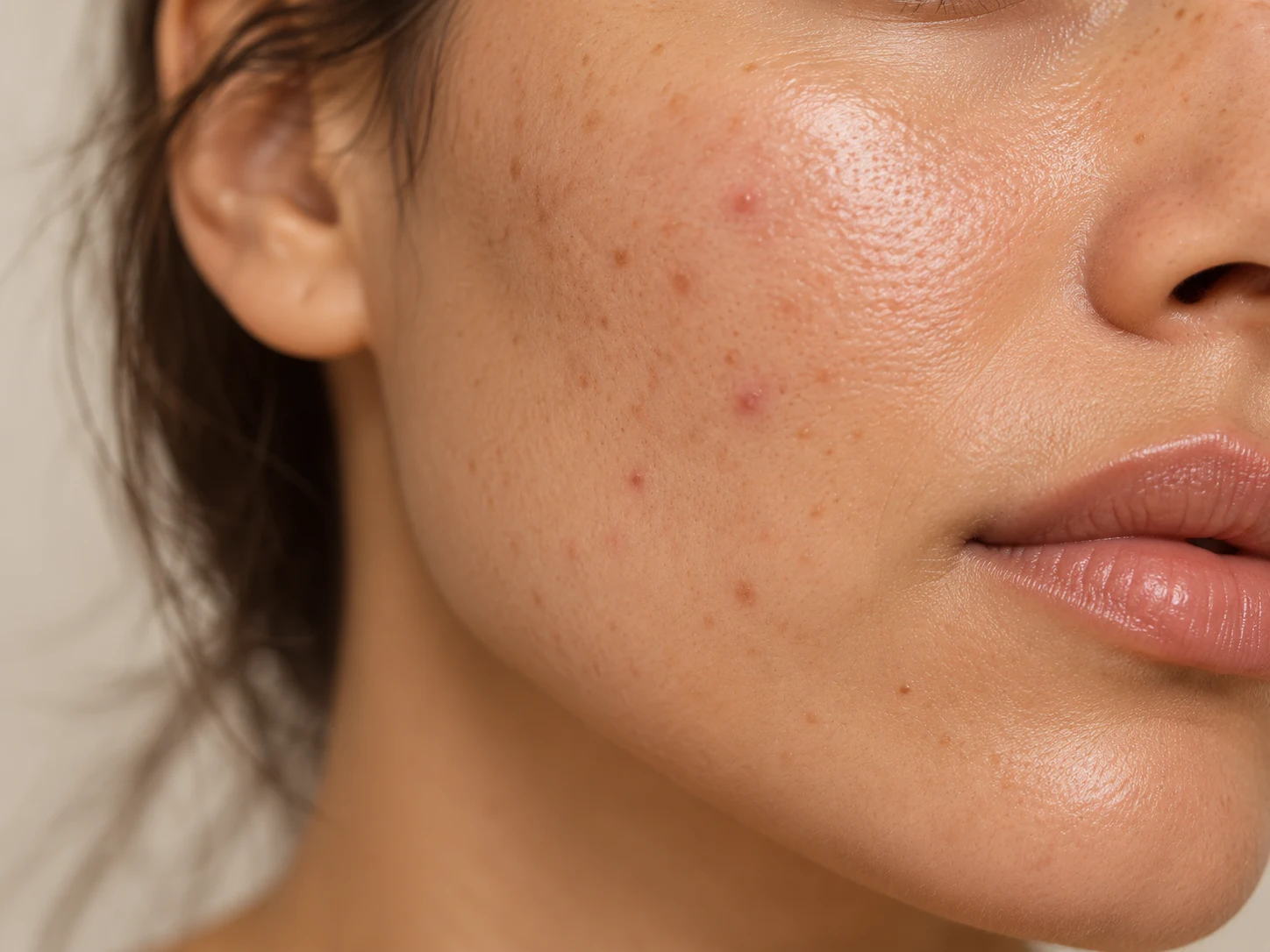
People often use the words dry, dehydrated, and damaged barrier as if they mean the same thing. They can overlap, but they describe different situations.
Dry skin generally produces less oil and may feel rough, flaky, or consistently uncomfortable. It is often a skin type or a long-term tendency.
Dehydration refers to a lack of water in the skin. Even oily skin can feel dehydrated, tight, or look dull when water content is low.
A stressed skin barrier may feel unusually sensitive, tight, reactive, rough, or uncomfortable and may lose moisture more easily.
You do not need to diagnose yourself to make your routine gentler. The point is to notice patterns. If your skin became suddenly dry after adding a new acid, retinoid, scrub, acne treatment, or stronger cleanser, that timing matters.
Showers and cleansing habits matter
Why skin can feel dry after showering
Long, hot showers can wash away surface oils and leave dry body skin feeling tighter. Choose comfortably warm water, keep showers brief, and pat gently with a towel instead of rubbing. Use cleanser where it is needed to remove sweat and dirt rather than repeatedly scrubbing every area.
Your cleanser can affect how your moisturizer performs
Cleansing is necessary, but the way your skin feels immediately afterward can tell you a lot. A cleanser that leaves your skin feeling extremely tight, squeaky, or stripped may be removing more surface oil than your skin comfortably tolerates.
That does not mean every foaming cleanser is bad or every creamy cleanser is automatically gentle. Formula, concentration, water temperature, cleansing time, and how often you wash all matter.
Pay attention to the five minutes after cleansing
- Does your skin feel comfortable, or do you immediately feel tightness?
- Are you using very hot water?
- Are you cleansing more often than your routine actually requires?
- Are you combining a strong cleanser with several exfoliating or acne-focused products?
If your skin only feels comfortable after you apply several layers of product, look at what happens earlier in the routine. Moisturizer should support your skin, not constantly compensate for avoidable irritation.
More exfoliation does not automatically mean smoother skin
When skin looks flaky, many people reach for a scrub, acid, peel, or exfoliating toner. That can make sense in the right routine, but exfoliating more often can also make dryness and sensitivity worse when the skin is already stressed.
Your skin does not need to be aggressively exfoliated every day to be healthy. The right frequency depends on the product, your skin, your other active ingredients, and how your skin is responding.
Look at your total active load
A routine may contain several individually reasonable products that become too much when used together. For example, an exfoliating cleanser, an acid toner, a retinoid, and an acne treatment may all affect tolerance. If your skin is persistently dry or irritated, simplifying for a period of time can help you understand which products are actually serving you.
Retinoids, exfoliating acids, and acne treatments such as benzoyl peroxide can contribute to dryness or irritation. Follow each product’s directions and avoid stacking more actives simply because skin is flaky. If a treatment is prescribed, ask your prescriber before changing how you use it.
How to keep your skin moisturized
Apply your moisturizer to damp skin
After a shower, gently pat off excess water and apply moisturizer while your skin is still slightly damp. This helps retain some of that water as the skin dries. A Daily Body Cream can be an easy, consistent step after bathing, with reapplication whenever skin feels dry.
Damp-skin application is advice for moisturizer. Retinoids and other treatments may have different directions, including application to dry skin. Follow their instructions rather than applying every product to damp skin.
Lightweight versus richer moisturizers
A light lotion or gel may feel comfortable on some areas, but persistently dry body skin may benefit from a richer cream. Texture alone does not determine performance: the complete formula and your skin’s tolerance matter. Look for a body cream for dry skin that leaves it comfortable without stinging.
Hydration and moisture are related, but they are not identical
A good moisturizer often combines several types of ingredients. Humectants help attract and hold water. Emollients help soften the skin. Occlusive ingredients help reduce water loss by creating a more protective surface layer.
That is one reason simply adding an oil to dehydrated skin may not always feel satisfying. Oils can be useful for softness and sealing, but they do not replace the water-binding part of a balanced moisturizing formula.
What a Daily Body Cream should do
A well-designed Daily Body Cream should do more than sit on top of the skin. It should help the skin feel comfortable, flexible, and moisturized without requiring constant reapplication.
For dry or sensitive-feeling body skin, look for formulas that combine humectants with emollient ingredients and a supportive lipid phase. Ingredients such as glycerin, aloe, panthenol, colloidal oatmeal, plant oils, and appropriate butters can all play different roles depending on the complete formula.
Ingredients that can support comfortable skin
- Glycerin: a humectant that helps attract and retain water in the outer skin layer.
- Panthenol: a water-binding ingredient used to support hydration and skin comfort.
- Aloe: often included for hydration and a soothing feel, depending on the formula.
- Colloidal oatmeal: helps hold water and supports a protective, comforting feel.
One ingredient cannot tell you how a finished product will perform. Concentration, the full formula, and individual sensitivities all matter. Introduce new products gradually and avoid known allergens.
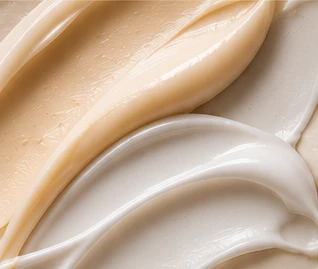
Èlani BARE CRÈME, the Daily Body Cream, is being developed as a fragrance-free Daily Body Cream with this type of routine in mind. The goal is a rich, cushiony texture that supports comfortable, moisturized skin without feeling unnecessarily heavy or waxy.
Where body butter fits
Body cream and body butter are not interchangeable. A Daily Body Cream can provide a more complete moisturizing step because it contains both water-based and oil-based components. A body butter is typically more oil-rich and can be especially useful as the sealing layer when skin feels very dry.
You do not need to layer both every time. On days when your skin needs more protection, you can apply your Daily Body Cream first, then use a small amount of body butter over the driest areas.
Èlani BARE BUTTER is designed as a rich, creamy moisture-sealing option for dry to extra-dry skin. Body butter can help soften skin and slow water loss, but it does not replace the hydrating part of your routine or address every cause of dryness. Èlani Skin is coming soon.
A simple routine reset for persistently dry skin
- Use a comfortable cleanser. Avoid chasing a squeaky-clean feeling.
- Reduce unnecessary exfoliation. Especially if your skin is already tight or reactive.
- Audit your active ingredients. Look at the total routine, not one product at a time.
- Moisturize damp skin. Apply your Daily Body Cream after bathing and reapply when needed.
- Seal very dry areas when needed. A body butter can add an extra occlusive layer.
- Give changes time. Constantly switching products can make it difficult to know what is helping.
When dryness may need more than a routine adjustment
Skincare education can help you make better product choices, but persistent or severe symptoms deserve appropriate care. If your skin is painful, cracking, bleeding, intensely itchy, rapidly worsening, or you suspect a condition such as eczema or contact dermatitis, consider speaking with a qualified medical professional.
The goal is not to force every skin concern into a cosmetic routine. Sometimes the most useful skincare decision is knowing when a concern needs a different type of evaluation.
The takeaway
If your skin is still dry after moisturizing, do not automatically assume you need more product. Look at your cleanser, cleansing frequency, exfoliation, active ingredients, and the way your routine supports water and oil balance.
Healthy-looking, comfortable skin usually comes from a routine that works together. Moisturizer is important, but it is only one part of the system.
If you want to understand an overwhelmed routine more clearly, Calm My Skin: 14-Day Skin Barrier Reset offers self-paced education through Skin School.
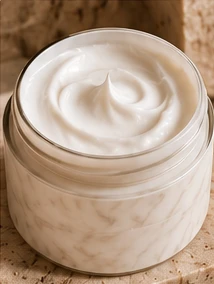
Èlani BARE CRÈME · Daily Body Cream
Support Your Skin Barrier
A thoughtful Daily Body Cream helps hydrate, moisturize, and support the skin barrier. Explore the rich, cushiony body care behind Èlani Skin.
Explore Èlani BARE CRÈMEShop coming soon.