
SKIN JOURNAL · INGREDIENT SPOTLIGHT
Panthenol (Vitamin B5) and Allantoin: Two Skincare Ingredients Worth Knowing
What they do, how they work, and what to know before choosing a moisturizer.
Have you ever looked at the ingredient list on your moisturizer and wondered what those ingredients actually do?
We hear so much about hyaluronic acid, retinol, and vitamin C, but there are other ingredients worth knowing about, especially when it comes to moisturizing and supporting your skin barrier. Today, we are talking about two of them: panthenol and allantoin.
You may have seen these names on a product label without realizing why they are included. Let's break them down.
What is panthenol, also known as provitamin B5?
Panthenol is a skincare ingredient related to vitamin B5, also called pantothenic acid. The form known as dexpanthenol can be converted into pantothenic acid in the skin.
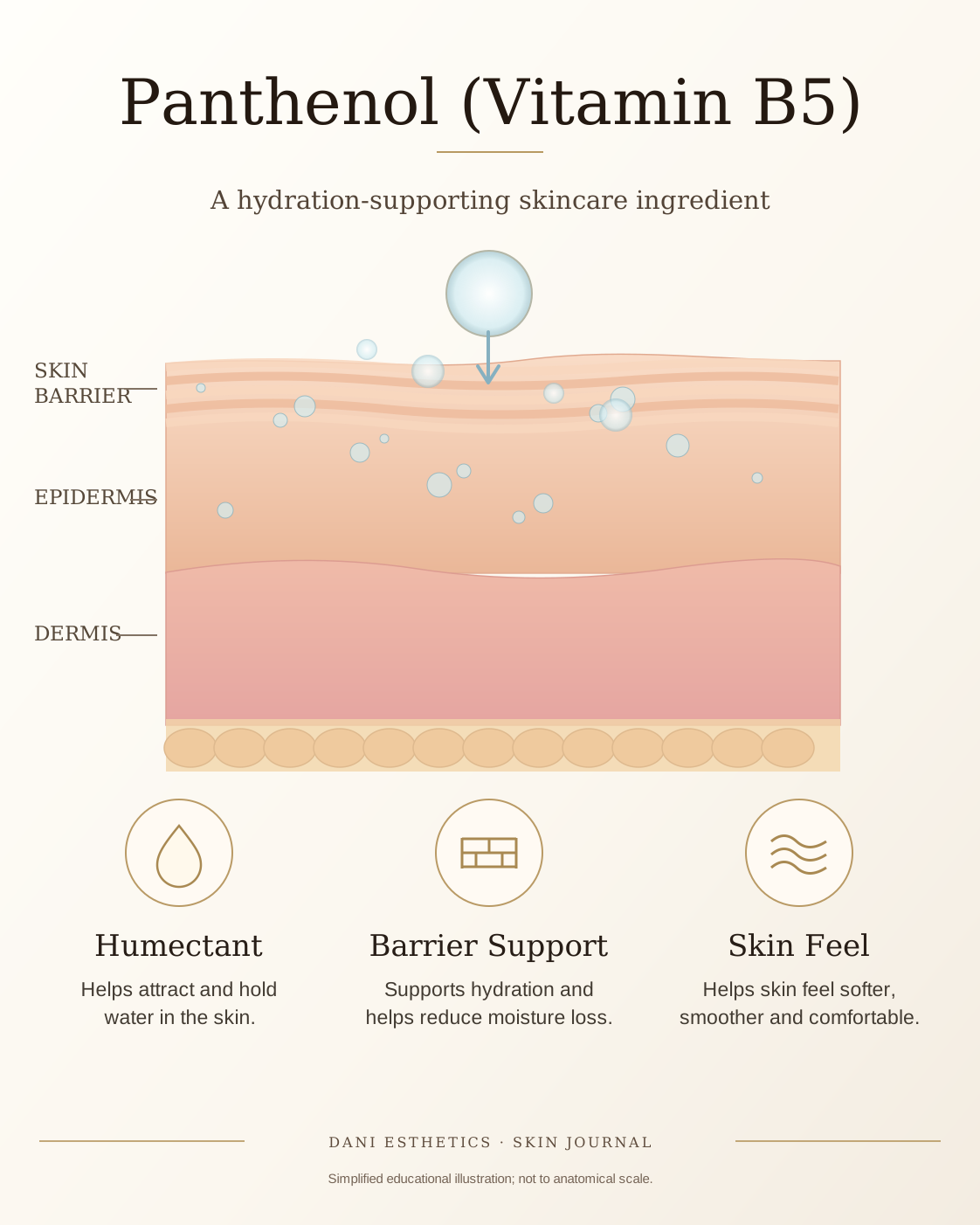
One of panthenol's most important cosmetic functions is helping the skin maintain hydration. It works as a humectant, which means it helps attract and retain water.
Studies of topical dexpanthenol formulations have shown improvements in the hydration of the stratum corneum, the outermost layer of skin, along with reductions in transepidermal water loss (TEWL). TEWL describes water naturally moving through the skin and evaporating into the environment.
That is why panthenol is often included in moisturizers designed to help skin feel softer and more comfortable. Results depend on the complete formula and how it is used.
What about allantoin?
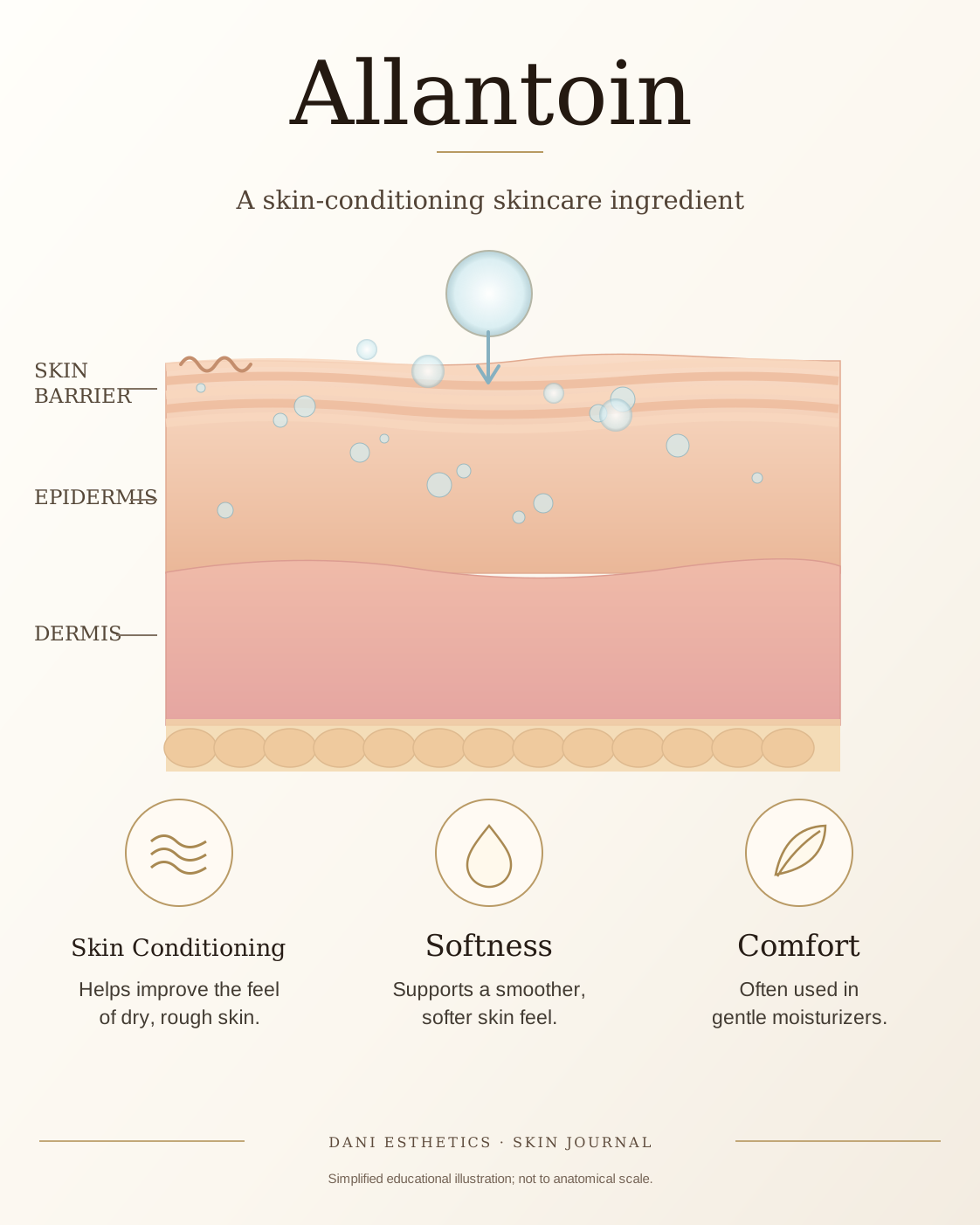
Allantoin is another ingredient commonly found in skincare formulas. Its established cosmetic role is as a skin-conditioning agent.
It can help improve the feel of dry, rough skin, which is why formulators may choose it for creams and other moisturizers focused on softness and comfort.
Allantoin is often described as a soothing ingredient, but it is important to distinguish a pleasant, conditioning skin feel from a claim that a cosmetic can treat a medical condition.
Can panthenol and allantoin be used together?
Yes. They can be included in the same properly developed formula, and they have complementary cosmetic functions. Panthenol supports hydration, while allantoin offers additional skin-conditioning benefits.
But a well-formulated moisturizer is more than a list of ingredients. Concentrations, texture, stability, preservation, and the full combination of ingredients all affect performance and tolerability.
Are these ingredients suitable for sensitive skin?
They often are. Panthenol and allantoin are commonly used in moisturizers intended for dry or sensitive-feeling skin. However, no individual ingredient is guaranteed to be suitable for everyone. Allergic or irritant reactions can occur, even to ingredients that are generally well tolerated.
If your skin is very reactive, introducing one new product at a time can help you recognize what agrees with your skin. For persistent, painful, or worsening irritation, seek assessment from a qualified medical professional.
Does your moisturizer need both ingredients?
Not necessarily! A moisturizer does not have to contain every popular skincare ingredient to be effective. Some people prefer a simpler fragrance-free formula, while others want extra water-binding or conditioning ingredients.
Neither approach is automatically better. The complete formulation and your individual skin needs are what matter.
More ingredients do not always mean better skincare. Understanding what each ingredient does helps you make informed decisions instead of buying products based on marketing trends.
For clarity, panthenol and allantoin are not ingredients in the current Èlani BARE CRÈME launch formula. This article is educational, not an announcement or a claim about a product that is available for purchase.
Want to understand your skin barrier better? Explore Calm My Skin: 14-Day Skin Barrier Reset, our self-paced course through Dani Esthetics Skin School.